



Edible peel and non-edible peel: not all peels are created equal.
Eating the peel of fruits represents a huge health advantage. This is where the majority of beneficial nutrients are concentrated. The use of the peel, especially of our beloved lemon, is very common in cooking. For instance, we use it to add fragrance and an extra burst of flavor to many dishes and recipes. In general, we should never underestimate the quality of the outer part of the fruits we consume.
Fortunately, new labeling regulations are helping us in this regard. More and more often, in fact, fruit and vegetable packages indicate labels like “non-edible peel – treated on the surface” or “edible peel – untreated on the surface.” This helps consumers make more natural and informed choices.
What does "edible peel" mean? Here’s what you need to know to prolong the shelf life of these products.
So, what does edible peel mean? Literally, “edible” means “that can be eaten,” derived from the Latin edibilis. For “edible peel,” it means that the fruit in question does not need to be peeled before consumption. The phrase “edible peel” found on fruit labels signifies that the product, once harvested, has not undergone treatments with substances that could be toxic and highly dangerous to our bodies. In most cases, post-harvest treatments are employed in the organized large-scale distribution sector to prolong the shelf life of these products.
In the case of lemons and citrus fruits in general, the need for post-harvest treatments arises from protecting the fruits against the development of potential fungal diseases (molds) and physiological withering. To achieve this, fungicides are used, with application methods and quantities strictly regulated at the European level. For consumer protection, the regulation specifies that if phytosanitary products are used for post-harvest treatment, the lemon label must include the statement “product with non-edible peel.”
The greatest health risks come from consuming uncertified organic products, increasing the chance of ingesting pesticides and toxic substances harmful to the body, especially through the peel.
In conclusion, to safely eat the peel of a fruit, the only way is to choose organic products, grown without synthetic chemicals whose residues accumulate primarily on the peel.
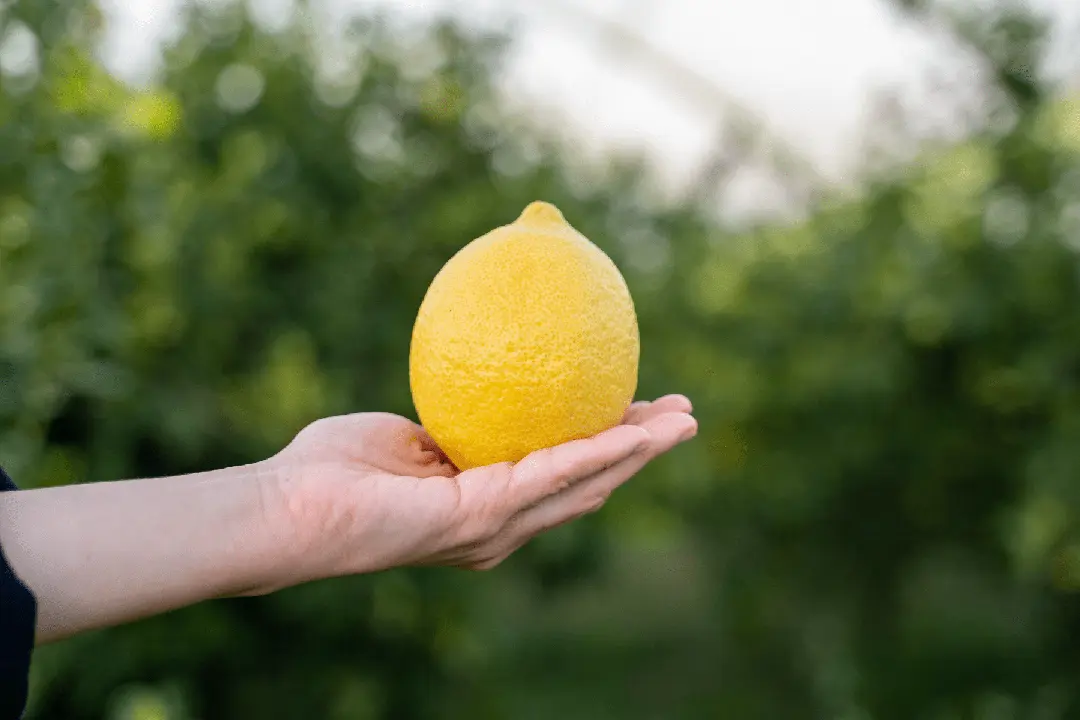
Edible peel lemons or non-edible peel lemons? You might wonder! Our lemons are edible peel lemons without a doubt: being organic, you can safely eat everything, including the peel!
Iolanda